
When you feel a sudden sting or a lingering ache, your body sends a vital message. Understanding these signals is the first step toward finding effective relief for your specific needs. Many people struggle to tell if their discomfort is temporary or lasting.
Knowing the timeline of your symptoms helps doctors provide the right care. While some injuries heal quickly, others persist for months and require specialized management strategies. This guide explores the core variations in acute vs chronic pain to help you navigate your health journey.
Learning about these differences empowers you to make informed decisions today. You deserve to live a life with less physical stress and more clarity about your physical well-being. Let us dive into the details of these two distinct experiences.
Identifying the source of your distress is essential for long-term health. By recognizing the patterns in how you feel, you can better communicate with medical professionals. This clarity often leads to faster recovery times and better overall quality of life.
Key Takeaways
- Identify the duration of your symptoms to find the right care.
- Short-term signals usually indicate a specific injury or trauma.
- Persistent issues often require a multidisciplinary treatment approach.
- Distinguishing between types of discomfort improves doctor-patient communication.
- Education is a powerful tool for managing physical well-being.
- Early intervention can prevent temporary issues from becoming permanent.
1. Understanding Pain as Your Body’s Communication System
Your body’s pain response is a complex system. It alerts you to potential harm. This involves many parts working together to detect, send, and understand pain signals.
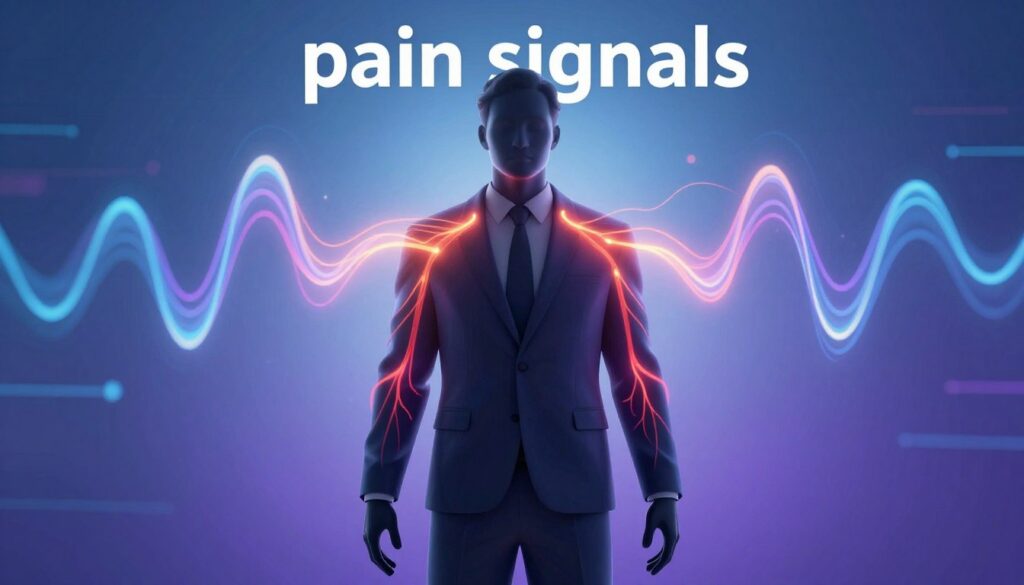
Why Your Body Produces Pain Signals
Pain signals are made when your body faces injury, inflammation, or tissue damage. Special nerve endings called nociceptors are activated. They send signals to the brain through the nervous system.
These signals warn you of potential or actual damage. They tell you to act to prevent more harm. For example, touching a hot surface sends a pain signal. This makes you pull your hand back quickly to avoid a worse burn.
The Role of Your Nervous System in Pain Processing
Your nervous system is key in processing pain signals. The peripheral nervous system picks up and sends pain signals to the spinal cord and brain. The central nervous system, including the spinal cord and brain, figures out these signals. This lets you feel and react to pain.
The nervous system uses many pathways and neurotransmitters to handle pain. This complex process helps you understand how your body responds to pain.
Pain as a Protective Mechanism
Pain is a vital protective mechanism. It warns you of threats and encourages you to act. By responding to pain, you can avoid injury, help healing, and stay healthy.
For example, after an injury, pain tells you to rest and protect the area. This helps it heal. Pain’s protective role is crucial for avoiding more damage and ensuring recovery.
2. What is Acute Pain and How Does it Work? (320-360 words)
Acute pain is a sharp, sudden pain that happens for a short time. It’s a natural response to injury or harm. It’s like a warning signal that tells us something is wrong.
When we get hurt, our body sends pain signals to the brain. These signals are like messengers that tell us to stop what we’re doing. They help us protect ourselves from further harm.
Acute pain can be caused by many things. It might happen after surgery, during an injury, or because of an illness. It’s a way for our body to tell us that something is not right.
Understanding acute pain is important. It helps us know how to deal with it and find ways to feel better. By knowing what causes acute pain, we can take steps to prevent it or manage it better.
Next, we’ll look at the different types of acute pain and what causes them. This will help us understand more about this kind of pain and how to handle it.
3. Understanding Chronic Pain and Its Persistence
Chronic pain is more than just ongoing pain. It deeply affects our daily lives. It’s a complex condition that changes how we live.
When Pain Becomes Chronic
Pain turns chronic when it lasts more than three months. This can really hurt our quality of life. It causes emotional pain and makes it hard to move.
The Critical Three to Six Month Marker
The time between three to six months is key. It’s when pain can turn from a symptom to a condition.
Common Chronic Pain Conditions
Some common chronic pain conditions include:
- Fibromyalgia
- Arthritis
- Neuropathic pain
- Complex Regional Pain Syndrome (CRPS)
Case Example: Fibromyalgia Patient Experience

A 45-year-old woman with fibromyalgia feels pain all over. It makes it hard for her to do everyday things.
Managing chronic pain effectively requires a comprehensive approach. This includes medical treatment, lifestyle changes, and psychological support.
4. Acute vs Chronic Pain: The Essential Differences
It’s crucial to know if you have acute or chronic pain. Each type needs a different treatment. Knowing the difference can greatly improve your life and recovery.
Duration and Progression Patterns
Acute pain is short-term, lasting from days to weeks. It’s often caused by injury or tissue damage. Chronic pain, on the other hand, lasts for months or years.
Acute pain usually gets better as the injury heals. Chronic pain can have ups and downs, with times when it gets worse or better.
Biological and Neurological Distinctions
Acute pain is a natural response to injury. It helps protect us. Chronic pain, though, can last long after the injury is gone. It changes the brain and nervous system, making them more sensitive.
Psychological and Emotional Components
The mental effects of pain differ between acute and chronic pain.
Mental Health Impact of Acute Pain
Acute pain can be very distressing but is usually short-lived. People often worry about the cause and its effects. But, these worries usually lessen as the pain goes away.
Mental Health Impact of Chronic Pain
Chronic pain, though, can deeply affect mental health. It can lead to depression and anxiety. The constant pain can mess with mood, sleep, and overall happiness.
Predictability and Treatment Response
Acute pain usually gets better with treatment. Chronic pain is harder to treat and may need a team effort. This includes medicine, physical therapy, and mental health support.
- Acute Pain: Usually predictable, responsive to treatment, and resolves with healing.
- Chronic Pain: Often unpredictable, less responsive to standard treatments, and requires comprehensive management.
Knowing the difference between acute and chronic pain is vital. It helps you get the right treatment and manage your pain better.
5. How Your Nervous System Changes with Chronic Pain
Chronic pain is not just long-term acute pain. It changes your nervous system in complex ways. This makes you more sensitive to pain.
Neuroplasticity and Pain Pathways
Your nervous system can change and adapt, known as neuroplasticity. This is key in chronic pain. Pain pathways in your brain and spinal cord get better at sending pain signals.
This makes you feel pain more, even if the original cause is gone. Neuroplasticity makes it hard to manage chronic pain because it strengthens pain pathways.
Central Sensitization Explained
Central sensitization makes your central nervous system more sensitive. This means normal feelings can feel painful. It’s a big part of chronic pain, like in fibromyalgia.
Why Chronic Pain Feels Different
Chronic pain is different from acute pain. It changes how your nervous system handles pain signals. Chronic pain is often spread out and can change in intensity.
The Wind-Up Phenomenon
The wind-up phenomenon makes your nervous system more sensitive to repeated stimuli. This can make pain worse over time, making it harder to manage.
Knowing how your nervous system changes is key to treating chronic pain.
6. Real-World Case Studies: Two Patient Journeys
Real-world case studies offer valuable insights into acute and chronic pain. They show how different pain conditions affect patients. This helps us understand the unique traits of each type of pain.
Case Study 1: Jessica’s Ankle Fracture and Acute Pain Recovery
Jessica, a 28-year-old athlete, broke her ankle during a sports event. Her story shows how acute pain usually progresses.
Initial Injury and Pain Characteristics
Jessica’s injury caused severe pain, swelling, and limited mobility. The pain was sharp and only in her ankle. Acute pain often has these symptoms, linked directly to the injury.
Treatment and Resolution Timeline
Jessica had surgery and followed a rehab program. Her pain was managed with meds and decreased as she healed. In eight weeks, her pain lessened, and she could resume her activities.
Case Study 2: Robert’s Chronic Lower Back Pain
Robert, a 45-year-old office worker, had chronic lower back pain for over a year. His case shows the challenges of managing chronic pain.
Onset and Pain Evolution
Robert’s back pain started slowly, without a clear injury. Over time, it became constant, with stiffness and fatigue. His pain changed, becoming more widespread and unpredictable.
Long-term Management Challenges
Robert’s treatment included physical therapy, meds, and lifestyle changes. Yet, his pain continued, needing constant management and new strategies.
| Characteristics | Acute Pain (Jessica) | Chronic Pain (Robert) |
|---|---|---|
| Duration | Temporary (weeks) | Long-term (months/years) |
| Pain Characteristics | Sharp, localized | Diffuse, variable |
| Treatment Outcome | Full recovery | Ongoing management |
These case studies highlight the unique aspects of acute and chronic pain. They show how each type presents, progresses, and is managed differently.
7. How Healthcare Providers Diagnose and Evaluate Your Pain
Healthcare providers have a detailed method to figure out and check your pain. This is key to making a good plan to manage your pain.
Initial Assessment and Medical History
The first thing is a detailed check and a full medical history. Your doctor will ask about when your pain started, how long it lasts, and what it feels like. They also want to know what makes it better or worse.
Pain Assessment Tools and Scales
To really get a handle on your pain, doctors use special tools and scales. These might be numbers, pictures, or questionnaires. They help measure how bad your pain is and how it affects you.
Diagnostic Testing and Imaging
Based on what your pain might be from, your doctor might do tests or scans. This could be X-rays, MRIs, CT scans, or blood tests. They help find out if there’s something serious causing your pain.
Red Flags That Require Immediate Attention
Doctors also look for “red flags” that mean you need help right away. These include sudden, severe pain, pain with nerve problems, or pain with fever or losing weight.
| Red Flag | Possible Indication |
|---|---|
| Sudden severe pain | Acute injury or medical emergency |
| Pain with neurological deficits | Nerve damage or compression |
| Pain with systemic symptoms | Infection or malignancy |
8. Treatment Approaches for Acute Pain
Managing acute pain needs a mix of treatments. Your doctor will pick the best ones for you. They consider your condition and needs.
First-Line Pain Relief Strategies
First, doctors try simple, non-invasive methods. They might suggest over-the-counter pain relievers like acetaminophen or ibuprofen. These can lessen pain and swelling.
Early treatment helps avoid more pain and aids in recovery.
Medication Options for Short-Term Use
For severe pain, doctors might give stronger meds for a short time. This includes opioids, but they’re used with caution. “Opioids can help with pain, but they must be used carefully,” say experts.
Physical Interventions and Rest
Rest and physical treatments are key. This includes resting the hurt area, physical therapy, or acupuncture. Resting is important for healing.
Gentle exercises help keep you mobile and strong.
When Acute Pain Treatment Succeeds
Success in treating acute pain means less or no pain. You can then go back to your usual activities. The treatment’s success depends on the pain cause, treatment plan, and your health.
Your doctor may change your treatment as you get better. This ensures the best results.
9. Comprehensive Management of Chronic Pain
You can better control chronic pain with a holistic plan. This plan covers your physical, emotional, and lifestyle needs. It involves treatments tailored to your specific situation.
Multidisciplinary Treatment Teams
Managing chronic pain often requires a team of healthcare experts. This team includes doctors, physical therapists, psychologists, and sometimes alternative therapy practitioners. They work together to create a treatment plan just for you.
Pharmacological Management Options
Medications are key in managing chronic pain. They range from over-the-counter pain relievers to prescription drugs. Your healthcare provider will choose the best medication and dosage for you.
Non-Pharmacological Therapies
Non-pharmacological approaches are also vital. They include various therapies that help manage pain without medication.
Physical Therapy and Exercise
Regular physical activity and exercises can improve function and reduce pain. A physical therapist can create a program that fits your abilities and needs.
Cognitive Behavioral Therapy
CBT helps manage the psychological aspects of chronic pain. It changes how you perceive and respond to pain. It’s a great tool for coping with chronic pain’s emotional impact.
Alternative and Complementary Approaches
Therapies like acupuncture, massage, and mindfulness meditation can offer extra relief. They can be used alongside conventional treatments to improve pain management.
Lifestyle Modifications for Pain Control
Making lifestyle changes can greatly impact chronic pain management. Simple adjustments can significantly improve how you feel.
| Lifestyle Change | Benefit |
|---|---|
| Regular Exercise | Improves function and reduces pain |
| Healthy Diet | Supports overall health and well-being |
| Stress Management | Reduces pain exacerbation |
By adding these strategies to your daily life, you can actively manage your chronic pain.
Empowering Yourself in Your Pain Management Journey
Understanding your pain is key to managing it well. Knowing if it’s acute or chronic helps you choose the right treatments. It also lets you work better with your healthcare team.
Being active in your pain care gives you power. It means following your treatment plan and making lifestyle changes. Simple steps like exercising regularly, managing stress, and eating well can help a lot.
Being proactive with your healthcare team is also important. Keeping a pain journal can help you track your symptoms. This makes it easier to talk about your pain with your doctors. Being an informed patient can lead to better pain management results.