Feeling like your body is constantly fighting against you can be truly exhausting. You deserve to wake up every morning with energy and a sense of freedom in your movements.
Dealing with dor persistente often feels like a very lonely journey. But, you are definitely not alone in this struggle. Many people across the United States face these same hurdles every single day.
Finding effective comfort strategies is the first step toward reclaiming your active lifestyle. Exploring modern options for dor crônica can help you regain control and improve your overall well-being.
This guide offers practical tips to help you move better and feel stronger. Let us look at how you can start your journey to a more comfortable life today.
Key Takeaways
- Identify common triggers for long-term physical aches.
- Learn about natural methods for improved daily comfort.
- Discover how small lifestyle changes impact your health.
- Understand the importance of seeking professional guidance.
- Explore modern tools designed for physical recovery.
- Create a personalized plan for lasting wellness and strength.
Recognize What Persistent Pain Really Means
It’s key to know what persistent pain is to find the right help. Persistent pain, also known as dor duradoura or dor contínua, can really change your life and how you feel.

Understand the Difference Between Acute and Chronic Pain
Knowing the difference between acute and chronic pain is important. Acute pain comes from an injury or illness and goes away once it’s treated. Chronic or persistent pain, though, lasts longer, often for months or years.
This difference helps you know what to expect and how to get the right treatment. Chronic pain is not just physical; it also affects your mind and emotions.
Identify How Long Your Pain Has Lasted
How long your pain lasts is key to understanding its effect on you. If it’s been over three months, it’s chronic. Tracking when your pain started and how it’s changed helps your doctor a lot.
Acknowledge the Impact on Your Quality of Life
Persistent pain can mess with your mood, sleep, work, and social life. Recognizing how much it affects you is important for a good pain management plan.
By knowing the difference between acute and chronic pain, how long it lasts, and its impact, you can start managing your dor contínua better.
Track Your Pain Patterns and Triggers
To tackle dor incessante, tracking its patterns and triggers is key. This helps you understand your condition better and make smart treatment choices. It might seem hard at first, but breaking it down into smaller steps makes it easier.
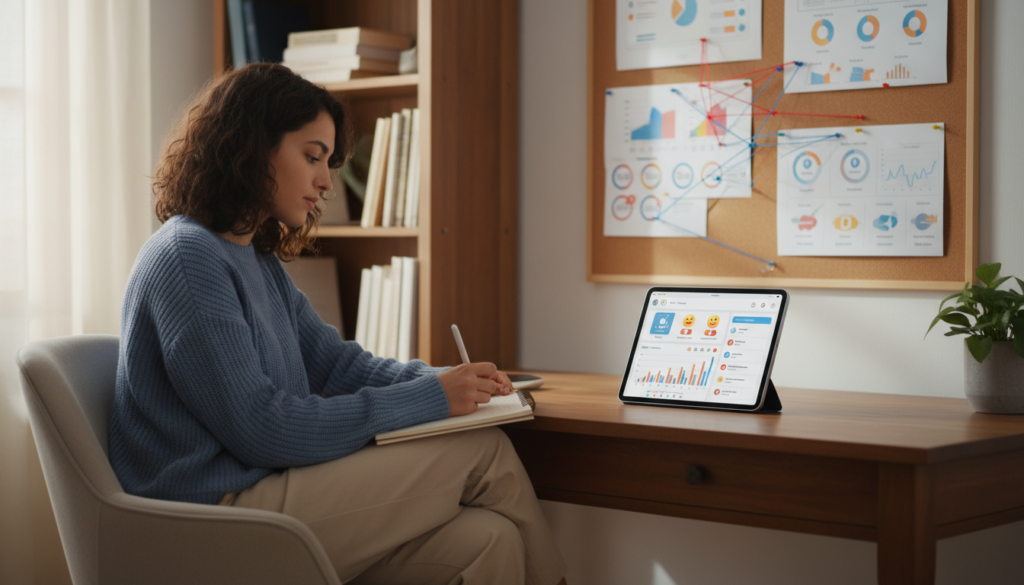
Start by keeping a daily pain log. This can show you patterns and triggers that affect your dor prolongada.
Start a Daily Pain Journal
A daily pain journal is a great tool for tracking your pain. It lets you closely monitor your condition and note any changes or patterns.
Record Pain Intensity Using a Scale
Measuring your pain’s intensity is important. Use a scale from 1 to 10, where 1 is little pain and 10 is the worst. This scale helps you see how your pain changes.
Note Time of Day and Duration
Write down when your pain happens and how long it lasts. This can show patterns or triggers in your daily life.
Document Activities Before Pain Occurs
Write down what you do before pain starts. This could be physical activities, what you eat, or stressors.
| Time of Day | Pain Intensity | Activity Before Pain | Duration of Pain |
|---|---|---|---|
| Morning | 6 | Exercise | 2 hours |
| Afternoon | 8 | Lifting heavy objects | 3 hours |
| Evening | 4 | Relaxation techniques | 1 hour |
Identify Environmental and Dietary Triggers
Your environment and diet can really affect your pain. Finding triggers in these areas can help you make changes to reduce your dor incessante.
Some foods or additives can cause inflammation or allergic reactions. Environmental factors like weather, chemicals, or work ergonomics can also impact your pain.
Notice Emotional and Stress-Related Patterns
Emotions and stress can also affect your pain. Understanding how your feelings impact your pain is key to managing it.
Managing stress and getting emotional support are important for pain management. Recognizing the link between your emotions and pain helps you tackle your dor prolongada more effectively.
Seek Professional Medical Evaluation
If you’re feeling dor recorrente, getting a medical check-up is the first step to relief. Pain that keeps coming back can be tricky to figure out. Knowing what’s causing it is key to managing it well.
Schedule an Appointment with Your Primary Care Doctor
Starting to manage dor recorrente means seeing your primary care doctor. This first visit is important. It helps check your health and find out why you’re in pain.
Prepare Your Medical History and Symptom List
Before you go, make a list of your medical history and symptoms. Note how long you’ve been in pain, what makes it worse, and any treatments you’ve tried before.
| Information to Share with Your Doctor | Why It’s Important |
|---|---|
| Detailed medical history | Helps your doctor understand your overall health context |
| List of symptoms | Aids in diagnosing the cause of your dor recorrente |
| Previous treatments tried | Assists your doctor in avoiding redundant or ineffective treatments |
Ask About Diagnostic Tests and Imaging
Your doctor might suggest tests or imaging to find out why you’re in pain. It’s okay to ask about these tests. They help figure out what’s going on.
Request Referrals to Specialists if Needed
If your doctor thinks you need a specialist, ask for a referral. Specialists can give you specific treatments and more insight into your dor recorrente.
Explore Evidence-Based Medical Treatments
When facing persistent pain, it’s key to look into different medical treatments. Finding what works for you often means trying a mix of methods.
Start with Over-the-Counter Pain Relievers
Over-the-counter (OTC) pain relievers are a good first step against persistent pain. They’re easy to find and can help with mild to moderate pain.
Choose Between Acetaminophen and NSAIDs
OTC pain relievers come in two main types: acetaminophen and NSAIDs (Nonsteroidal Anti-Inflammatory Drugs). Acetaminophen helps with pain and fever. NSAIDs, like ibuprofen, also fight inflammation.
Choosing between them depends on your health and what you’re dealing with. NSAIDs might be better for inflammation, while acetaminophen is safer for some conditions or when taking other meds.
Follow Proper Dosage Guidelines
Always stick to the recommended dose of any OTC medication. Taking too much can cause serious problems, like liver damage with acetaminophen or stomach issues with NSAIDs.
Discuss Prescription Medication Options
If OTC meds don’t help, your doctor might suggest prescription drugs. These can offer stronger pain relief or target specific pain types.
Consider Muscle Relaxants for Specific Conditions
Muscle relaxants are for muscle spasms. They reduce muscle tension and are used for acute back pain or musculoskeletal issues.
Evaluate Antidepressants for Nerve Pain
Certain antidepressants, like SNRIs, can help with nerve pain. They change the brain’s neurotransmitters to manage pain.
Explore Topical Pain Relief Solutions
Topical pain relief solutions, like creams or patches, are applied directly to the skin. They offer localized relief with fewer side effects than pills.
Investigate Interventional Procedures
For some, interventional procedures might be an option. These include injections, nerve blocks, or other small procedures to reduce pain.
Incorporate Physical Therapy and Exercise
Managing dor contínua needs a full plan, including physical therapy and exercise. These steps can help lessen pain and boost your life quality.
Work with a Licensed Physical Therapist
Getting help from a licensed physical therapist is key. They’ll check your condition, find tight spots, and make a plan just for you.
Benefits of Physical Therapy:
- Improved mobility and flexibility
- Strengthening of muscles to support joints
- Enhanced recovery from injury or surgery
Learn Proper Stretching Techniques
Knowing how to stretch right is important. It helps loosen muscles and boosts flexibility. A physical therapist can teach you the best stretches for your needs.
Perform Gentle Morning Stretches
Begin your day with gentle stretches. This boosts blood flow and eases stiffness. Focus on big muscle groups like hamstrings, quadriceps, and lower back.
Target Areas of Tension
Find and stretch tight spots. For neck pain, do neck stretches every day.
Build Strength Through Low-Impact Exercises
Low-impact exercises are great for building strength without hurting your condition. You can adjust these exercises to fit your fitness and health level.
Try Swimming or Water Aerobics
Swimming and water aerobics are low-impact and good for your heart and muscles. They’re easy on your joints.
Practice Yoga for Flexibility and Pain Relief
Yoga mixes poses, breathing, and meditation to improve flexibility and ease pain. Many yoga styles are good for people with ongoing pain.
Gradually Increase Your Activity Level
Slowly up your activity level to avoid pain spikes. Begin with short, easy sessions. Then, make them longer and harder as you get stronger.
Master Mind-Body Techniques for Pain Control
You can better manage dor incessante by learning mind-body techniques. These methods help you understand your body and mind better. This way, you can handle pain more effectively.
Practice Mindfulness Meditation Daily
Mindfulness meditation is great for pain management. It helps you stay in the present moment. This reduces stress and anxiety, which can make pain worse.
Start with Five-Minute Sessions
Start with short sessions of five minutes. Sit comfortably and close your eyes. Focus on your breath. If your mind wanders, gently bring it back to your breathing.
Use Guided Meditation Apps
Guided meditation apps like Headspace or Calm can help. They offer gentle guidance and soothing music. This makes it easier to meditate.
Apply Deep Breathing Exercises During Pain Flares
Deep breathing exercises calm your nervous system during pain. Breathe slowly in through your nose and out through your mouth. Focus on the breath’s sensation.
Try Progressive Muscle Relaxation
Progressive muscle relaxation involves tensing and relaxing muscles. Start with your toes and move up to your head. Hold each muscle group for a few seconds before releasing.
Use Visualization and Guided Imagery
Visualization and guided imagery create a peaceful scene in your mind. Use all your senses to immerse yourself in this scene. This reduces pain perception.
By adding these mind-body techniques to your daily routine, you can manage pain better. Regular practice can greatly reduce pain and improve your overall well-being.
Make Essential Lifestyle Modifications
Making lifestyle changes can help reduce chronic pain’s impact on your daily life. A few key changes can manage your pain better and improve your well-being.
Improve Your Sleep Hygiene
Good sleep hygiene is key for managing chronic pain. Poor sleep can make pain worse, creating a cycle that’s hard to break. Better sleep helps your body handle pain better.
Establish a Consistent Sleep Schedule
Going to bed and waking up at the same time every day helps regulate your body’s internal clock. This consistency improves sleep quality, making it easier to fall and stay asleep.
Create a Pain-Friendly Sleep Environment
Your bedroom should be a sleep sanctuary. It should be dark, quiet, and at a comfortable temperature. A supportive mattress and pillows can also improve sleep quality.
Optimize Your Diet for Inflammation Control
Your diet affects inflammation, which is linked to chronic pain. Dietary changes can reduce inflammation and ease pain.
Increase Anti-Inflammatory Foods
Foods like salmon and walnuts are anti-inflammatory. Eating plenty of fruits, vegetables, and whole grains also reduces inflammation.
Reduce Processed Foods and Sugar
Processed foods and sugar can cause inflammation. Cutting down on these can reduce pain flare-ups. Choose whole, nutrient-dense foods instead.
Maintain a Healthy Weight
Excess weight strains joints and muscles, worsening chronic pain. A healthy weight through diet and exercise can ease this strain.
Stay Properly Hydrated Throughout the Day
Staying hydrated is vital for health and managing chronic pain. Even mild dehydration can cause fatigue and worsen pain.
As “Dr. Sarah Johnson, a pain management specialist, notes, ‘Staying hydrated is essential for maintaining the health of your joints and muscles, which can help in managing chronic pain’”.
Drink plenty of water all day to keep your body working well. Aim for at least eight glasses a day, adjusting based on your activity and climate.
Address the Emotional Side of Persistent Pain
Persistent pain affects not just your body but also your mind. It can lead to feelings of frustration, anxiety, and depression. It’s key to understand the emotional side of your condition to manage it well.
Recognize the Pain-Emotion Connection
The link between pain and emotions is complex. Chronic pain can make emotional distress worse, creating a tough cycle to break. Knowing this connection is the first step to tackle it.
By seeing how emotions affect your pain, you can start managing both. This is a big step towards feeling better.
Consider Cognitive Behavioral Therapy
Cognitive Behavioral Therapy (CBT) is great for dealing with chronic pain’s emotional side. CBT helps change negative thoughts that make pain worse. It teaches you ways to cope with pain’s emotional challenges.
Join a Support Group for Chronic Pain
Connecting with others who get it can really help. Support groups are a safe place to share and learn from others facing similar issues. This community can reduce feelings of loneliness and offer emotional support.
Discuss Anxiety or Depression with Your Doctor
If you’re feeling anxious or depressed with chronic pain, talk to your doctor. Your doctor can suggest treatments like therapy or medication. Taking care of your mental health is vital for managing pain.
Try Complementary and Alternative Therapies
Complementary and alternative therapies can help with dor contínua. They can work alongside traditional treatments to better manage pain.
Schedule Acupuncture Sessions
Acupuncture uses thin needles in specific body points to help heal and relieve pain. Many find it effective for persistent pain. Talk to a licensed acupuncturist to see if it’s for you.
Explore Massage Therapy Options
Massage therapy can ease muscle tension and help relax. It’s good for those with dor persistente. There are many massage types to try.
Try Deep Tissue Massage
Deep tissue massage works on muscle and tissue deep down. It helps relieve pain and stiffness.
Consider Trigger Point Therapy
Trigger point therapy aims to release muscle tension. It can help with pain in other areas of the body.
Investigate Chiropractic Care
Chiropractic care uses spinal manipulation to improve joint mobility and reduce pain. It’s a good option for some persistent pain.
Research Natural Supplements Safely
Some natural supplements might help with dor persistente. But, use them carefully.
Consult Your Doctor Before Starting Supplements
Always talk to your doctor before starting supplements. They can check for interactions with other meds and guide you.
Choose Quality-Tested Products
Make sure any supplements come from trusted makers. Look for products tested by third-party groups.
Build Your Personalized Pain Management Strategy
Managing dor duradoura means creating a plan that fits your life and pain. This tailored approach helps you fight pain better.
Everyone’s pain is different. What helps one person might not work for another. So, your plan should match your unique needs.
Set Realistic and Measurable Goals
Start by setting goals you can reach. These could be about lowering pain, moving better, or feeling better overall. Make sure your goals are clear, measurable, and possible.
For example, instead of saying “I want to be pain-free,” say “I aim to cut my pain from 8 to 6 in three months. I’ll do this by sticking to my treatment and making lifestyle changes.”
Combine Multiple Treatment Approaches
One treatment might not be enough for dor duradoura. Mixing medical treatments, lifestyle changes, and alternative therapies often works best.
| Treatment Approach | Description | Potential Benefits |
|---|---|---|
| Medical Treatments | Medications, physical therapy, and interventional procedures | Reduces pain, improves function |
| Lifestyle Changes | Dietary adjustments, exercise, stress management | Enhances overall well-being, reduces pain triggers |
| Alternative Therapies | Acupuncture, massage, chiropractic care | Complements medical treatments, promotes relaxation |
Create a Daily Pain Management Routine
Having a daily routine helps manage pain. This routine should mix pain relief strategies like medication, exercises, and relaxation.
For example, start with gentle stretches, then a healthy breakfast, and take your medicine. Use deep breathing or meditation to handle stress and pain throughout the day.
Regularly Evaluate and Adjust Your Plan
It’s key to check how well your pain plan is working and tweak it as needed. Keep track of your pain, note any changes, and tell your doctor.
This regular check-up helps you see what works and what doesn’t. You can then fine-tune your strategy over time.
Develop Long-Term Coping Strategies
Coping with chronic pain is a long journey. It needs patience, persistence, and the right strategies. It’s important to have a plan to manage your pain.
A good long-term plan has several parts. First, you need to build habits that help your well-being.
Sustainable Daily Habits
Creating sustainable daily habits is key for managing pain. This means sleeping well, eating right, and staying active. But, your activities should match your abilities.
These habits help your body fight pain better. They also make your life better overall.
Pacing Your Activities
Learning to pace your activities is vital. It’s about finding a balance between rest and activity. This helps avoid making your pain worse.
By pacing, you avoid too much strain. This helps keep your pain levels steady. You can stay active without too many pain spikes.
Identifying Early Warning Signs
Knowing early warning signs of flare-ups helps you act fast. Watch for changes in pain, mood, or other symptoms.
Spotting these signs early lets you take steps to lessen pain. You might adjust your meds or try relaxation techniques.
Emergency Pain Relief Tools
It’s also important to keep emergency pain relief tools ready. This could be pain meds, a heating pad, or deep breathing exercises.
Having these tools ready gives you peace of mind. They help you handle sudden pain increases better.
Conclusion
Managing dor recorrente needs a mix of medical care, lifestyle changes, and mind-body methods. Understanding your pain helps you create a plan for relief.
You’ve learned to track your pain, try proven treatments, and add physical therapy and exercise. Mind-body techniques and lifestyle changes are also key.
Remember to be patient and keep trying. Finding the right treatments takes time. Stay active and get help from doctors, support groups, or family.
By managing your dor recorrente, you can live better and find lasting relief. Start now and take the first step towards a more comfortable tomorrow.